

Office is the most quoted asset class in commercial real estate and the least officially documented what that means when you are underwriting
November 18, 2026
A trade newsletter reports that BMO has signed a 144,000 square foot, fifteen-year lease at 1250 René-Lévesque in Montreal, consolidating teams into one tower. It is a notable deal if accurate. We set out to verify it against official sources, as we do with everything in these notes. We could not verify any part of it — and the reason why is more useful than the deal itself.
This is not an Ontario story and office is not where most of our work sits. It is included because the verification problem it exposes applies directly to every office or mixed-use site in the GTA you might be asked to underwrite.
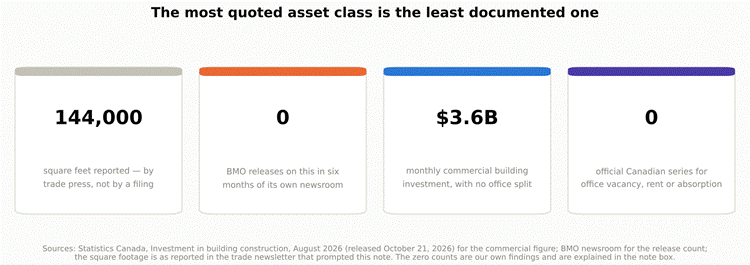
Figure 1. What is reported, and what can be checked.
Five places we looked
The article itself. The publisher refuses automated requests. Everything we have is the newsletter headline and standfirst.
A statement from the tenant. BMO’s own newsroom carries no release about a Montreal office lease, a move to this address, or an office consolidation anywhere in roughly six months of releases we could read. The terms are coming from the trade press, not from the party on the lease.
Montreal’s property assessment roll. It is genuinely public — but only through an interactive search form. The open-data version of the roll publishes floors, year of construction, land area and building area, and omits both the owner’s name and the assessed value. We could not download it either; the city’s open data host is not reachable from our environment.
Statistics Canada. Its monthly construction data reports a single “commercial” component. Office is not broken out at any point. There is no official Canadian series for office vacancy, net absorption or asking rent at all.
What that leaves. Every office vacancy figure, rent, absorption number and lease comparable in circulation comes from a brokerage or a data vendor, produced on proprietary methodology with no obligation to disclose how it is measured.
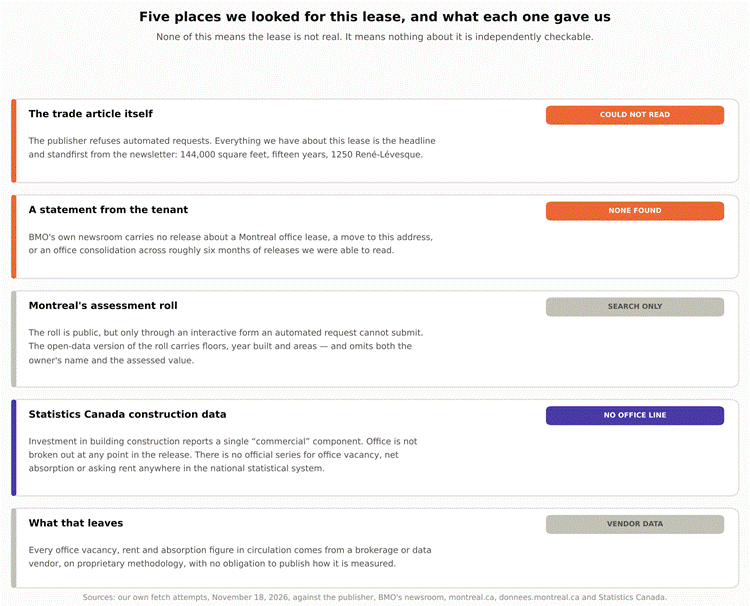
Figure 2. The verification trail, and what each step returned.
What the official data does cover
Statistics Canada’s Investment in Building Construction for August 2026, released October 21, puts non-residential investment at $7.4 billion, up 1.0% in the month. Within it, commercial was $3.6 billion (up 0.8%), institutional $2.4 billion (up 1.9%) and industrial $1.5 billion (down 0.1%). Ontario led the commercial gain at +$18.5 million, against Quebec’s +$8.0 million; both provinces fell on industrial.
That is the closest an official source gets to office construction in Canada — one line, shared with retail, hotels, restaurants and everything else commercial. September data was due November 19, the day after this note.
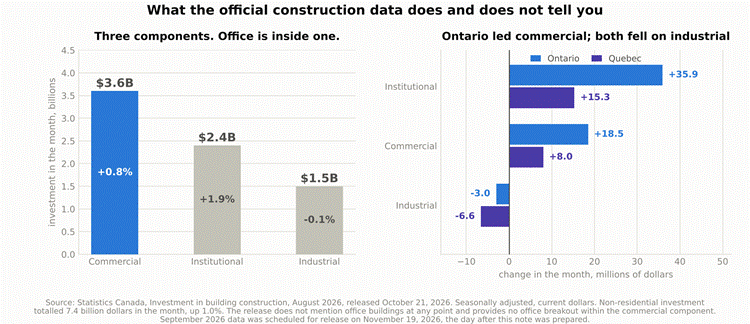
Figure 3. The official components, and the Ontario-Quebec split.
A reading trap in the same release
Total building construction investment was $23.5 billion in current dollars, up 7.9% year over year. The same release gives the constant-dollar figure: $21.2 billion, up 4.7%. The 3.2-point gap is construction cost inflation. About forty percent of the headline growth is price, not volume.
Both numbers are in the same release and only one of them tends to get quoted. When someone tells you construction activity is up nearly 8%, ask which dollars they mean.
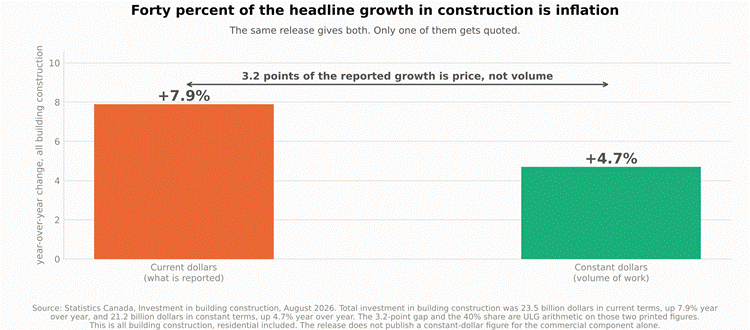
Figure 4. The same release, two measures. Only one describes work actually done.
Where the line falls
Set out side by side, the division is stark. Everything a public agency publishes describes construction activity and property records. Everything an office underwriting model actually needs — vacancy, absorption, rents, sublease, comparables, cap rates — sits exclusively with vendors.
That is not an argument against vendor data. It is often the only data, and the major firms do serious work. It is an argument for knowing which half of your model rests on figures nobody can audit, and for naming the vendor when you quote them rather than saying “market data shows.”
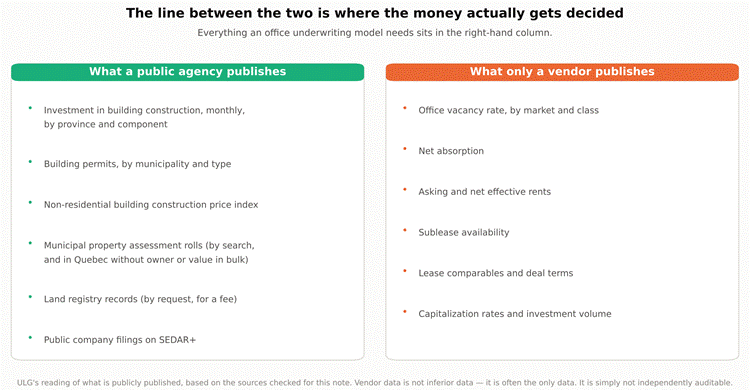
Figure 5. What is published by a public agency, and what is not.
What a deal like this actually signals
Assume the reported terms are right. A fifteen-year lease over 144,000 square feet to a Schedule I bank is not primarily a statement about the office market. It is a financeable covenant. Long-dated term, investment-grade tenant, one large contiguous block — that combination is what makes an office building lendable in the current environment, and essentially nothing else does.
Note also what it is not. A consolidation means space is being given up somewhere else. One tower fills; two or three others lose a tenant. The net absorption effect may be close to zero or negative, and the vacated older stock is exactly the inventory that ends up in conversion conversations.
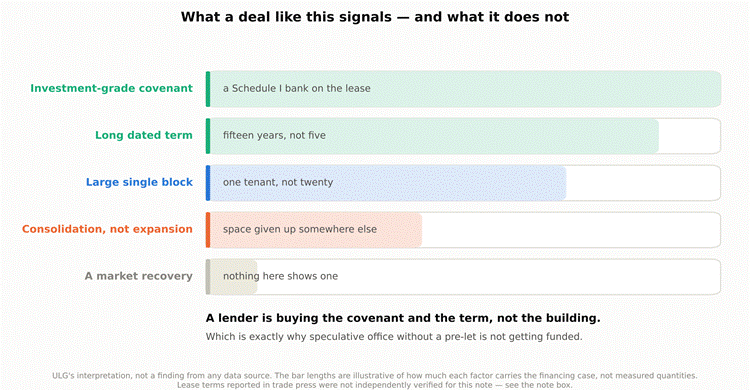
Figure 6. Our reading of what carries the financing case here. Illustrative, not measured.
| THE ULG VIEW Treat trade-press lease terms as unconfirmed until you see the lease, an estoppel, or a filing. Not because the reporting is careless — but because private lease terms are not filed anywhere in Canada, the tenant here has said nothing publicly, and a square footage and a term that travel through a newsletter have no document behind them that you can ask for. The substantive point for anyone underwriting an office or mixed-use site: you are buying a covenant and a term, not a building and not a market. If a GTA office asset or an office-permitted site comes to you without a long-dated investment-grade pre-let, assume the debt is not there at any price you would accept, and price the land on what it can become rather than what it is zoned for. A consolidation is not absorption. When a large tenant concentrates into one tower, the interesting real estate is the space they left. In Ontario that vacated B and C stock is where the conversion, redevelopment and highest-and-best-use questions actually live, and it is where a land advisor adds more than they would chasing the headline deal. On sourcing: know which half of your model is auditable. Construction investment, permits, price indices, assessment rolls and registry records come from public agencies. Vacancy, absorption, rents, comparables and cap rates do not. Name the vendor when you cite them. A reader who later discovers the number was a brokerage estimate presented as fact will discount everything else you wrote. |
| WHAT IS CONFIRMED AND WHAT IS NOT Confirmed from a primary source. All construction investment figures are quoted from Statistics Canada’s Investment in Building Construction release for August 2026, released October 21, 2026, seasonally adjusted and in current dollars except where the constant-dollar figure is named. The absence of any office breakout, and of any office mention in that release, is our own finding from reading it. Not confirmed — the lease. We could not read the article reporting it. The square footage, the fifteen-year term and the address are taken from the newsletter headline and standfirst and nothing else. We found no statement from BMO. We did not identify the landlord from any official record, did not obtain the building’s assessed value, owner or floor area from Montreal’s roll, and did not verify any rent. Nothing in this note should be read as confirming the transaction occurred or its terms. Not confirmed — the building. Montreal’s assessment roll was unreachable to us: the public search requires an interactive form submission, and the city’s open data host refused our connection. Figures for this building circulating elsewhere come from an encyclopedia entry and commercial listing sites, neither of which we treat as official, and we have therefore not reproduced any of them. Our interpretation, clearly labelled. Figure 6 and the view above are ULG’s reading of why a deal of this shape is financeable. The bar lengths in that exhibit are illustrative of emphasis, not measured quantities. The split in Figure 5 between public-agency and vendor data is our own categorisation based on the sources checked for this note, not an exhaustive survey of everything either side publishes. A timing note. September 2026 construction data was scheduled for release on November 19, 2026, the day after this note. Anyone quoting the August figures after that date should refresh them. |
Sources
Official and primary sources
· Statistics Canada, Investment in building construction, August 2026 (released October 21, 2026). https://www150.statcan.gc.ca/n1/daily-quotidien/261021/dq261021a-eng.htm
· Ville de Montréal, Rôle d’évaluation foncière (public search; requires an interactive query). https://montreal.ca/role-evaluation-fonciere
· Données Montréal, Unités d’évaluation foncière — the open-data roll, which omits owner name and assessed value. https://donnees.montreal.ca/dataset/unites-evaluation-fonciere
· BMO Newsroom — checked for any release on a Montreal office lease or consolidation; none found. https://newsroom.bmo.com/
Trade press (not official, and not read)
· Connect CRE Canada, “BMO Signs 144K-SF Montreal Office Lease For 15 Years” — the article this note responds to. The publisher refused our request and we were unable to read it. https://www.connectcre.ca/stories/bmo-signs-144k-sf-montreal-office-lease-for-15-years/
Sunny Gawri
Urban Land Group — land development advisory and commercial brokerage
Sales Representative, Royal LePage Signature Realty, Brokerage — registered in Ontario since 2013
30 Eglinton Avenue West, Mississauga, Ontario
This note is general market commentary compiled from public sources. It is not an appraisal, not a legal opinion, and not investment advice. Figures described as ULG calculations or interpretation are our own. A transaction discussed here was reported in trade press and has not been independently verified; nothing in this note should be relied on as confirmation that it occurred or of its terms.